
Perhaps under the influence of his brush with the more extreme end of Covid 19, our Prime Minister has decided that the health of the nation requires attention. Plans are afoot to to launch [a] major new anti-obesity strategy in [a] bid to reduce pressure on [the] NHS [1]
This is an extraordinary turnaround. Just a year ago, in July 2019 the Telegraph reported, I imagine with some approval, that Boris Johnson will end the ‘continuing creep of the nanny state’ if he becomes prime minister, starting with a review of so-called ‘sin taxes’ on sugary, salty and fatty foods.[2]
Nanny state is a rather overworked metaphor, deployed by those intent on convincing us that such measures are the thin end of a socialist wedge which would eventually reduce the British people to a dependent status, entirely lacking in initiative or enterprise.
This is an absurd proposition. My star witness in brushing it aside is a well known septuagenarian who has spent his entire life on generous state benefit, who in March of this year shrugged off infection by Covid-19 with apparent ease whilst continuing to promote eccentric alternative health nostrums. I am of course referring to the heir to the throne, Prince Charles. [3]
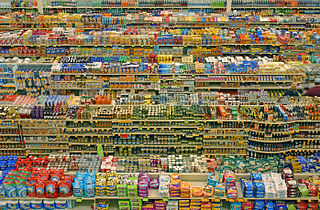
It gives me some concern that the Prime Minister’s change of heart has been a truly Damascene event, not marked by reflection and research into the matter of diet. Yet, along with one or two other recent and startling changes in his world view, this is a development we should welcome. I will feel reassured however when he begins to speak not of ‘the nanny state’ but rather the ‘demon food industry,’ purveyor of cheap and nasty food to those on low incomes or without the time or the space to choose and prepare healthy options for their growing families.
Anushka Astana’s interview with Felicity Lawrence, in a recent edition of the Guardian’s In Focus podcast, summarises the situation well and shows the food industry’s willingness to use the tobacco industry’s playbook to resist changes which might cut into its profits.[4]
The Neglected Ectomorph
Over several years, like many others, I have explored a variety of alleyways in the complicated and ever changing advice regarding what kind of diet will keep us healthy. A stumbling block in my own research has been that my personal metabolism and physique present a challenge exactly opposite to that which faces the Prime Minister. He is a classic endomorph whilst I am an ectomorph. Endomorphs typically have a tendency to gain weight; by contrast, ectomorphs can find it difficult to put weight on.
We live in a time when many would consider it enviable to be able to indulge oneself without fear of weight gain; yet I have often reflected that in the event of food shortage, I would be one of the first to fall by the wayside, and that in any case, there must be other negative consequences of overeating, waiting to punish heedless ectomorphs, such as myself.
The blunt truth is that ectomorphs must eventually succumb to one ailment or another and in my ongoing reflection on the matter of diet I have sought to find a way of eating which balances the pleasure and appreciation of food with a reasonable prospect of good health and life span. It is my experience however that the health challenges of the ectomorph are largely absent from literature on diet and health.
Low Carb Diets
One dietary paradigm which has gained a lot of attention in recent years is the benefit of reducing carbohydrate intake, or even, in extreme cases forcing the body into ketosis (the burning of stored fat) by eliminating all bread, potatoes and sugars — including fruit sugars — from the diet. Such a diet aims to extract necessary nutrients and energy from high quality fats and protein, in contrast to more traditional dieting for weight loss which has tended to restrict the intake of fat.
Tom Watson, formerly deputy leader of the Labour Party, has been a high profile exponent of a low carbohydrate diet, and his experience suggests this has not only helped him to overcome an obesity problem, but also to reverse his diagnosis of type 2 diabetes. Watson however is careful to say that his diet may not necessarily suit everybody: I think we need to move to an era where GPs are trained to give bespoke advice, and that’s a bit harder and requires quite a lot of change in the NHS. [5]
Diet and Evolution
Modern dietary advice often looks at the evolutionary history of Homo Sapiens with a view to divining what a human diet might have been in that extended evolutionary period during which we were hunter gatherers. There is an assumption in this analysis that farming, a recent development in our evolutionary history, has introduced problem elements to our diet and that these problems have been compounded by latter day refined carbohydrates, food additives and other tinkering which occurs during the preparation and consumption of food with the intention of making it more irresistible to the modern consumer.
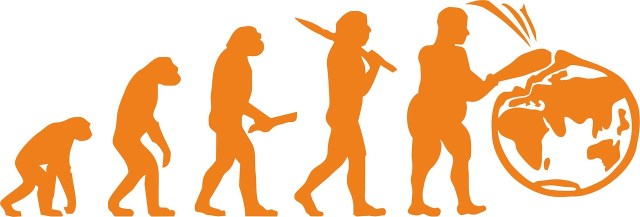
Tom Watson’s dieting derives from one version of this analysis which argues that during our history as hunter gatherers, most of our calories came from nuts, seeds and game, and that cereals and fruit sugars would not have been prominent in the dietary mix. Certainly, there is growing evidence that, for some, a low carb diet does indeed offer benefits, at the very least in the short term.
Feasting and Fasting
All the great religions have understood the wisdom of occasional fasting whilst also making a space for feasting from time to time. The problem for many people who have the good fortune to live in the rich countries of the modern world is that they are in a constant state of feasting. In saying this it is important not to overlook the reality that diet related health problems are most common amongst the poorest members of these ‘rich’ societies, an underclass reliant on the cheapest food containing a concentration of the most questionable elements of modern diet. Amongst those however, who have money and time enough to reflect on such matters, the possible health benefit of intermittent fasting has begun to gain some traction, as promoted, for example, by Michael Mosely in the 5-2 diet.[6] This is based on similar thinking to the diet adopted by Tom Watson, but involves reducing or eliminating carbohydrate intake for just two days of the week and then eating without this constraint for the other 5 days. Again, this diet is targeted at weight loss and the many health problems associated with obesity.
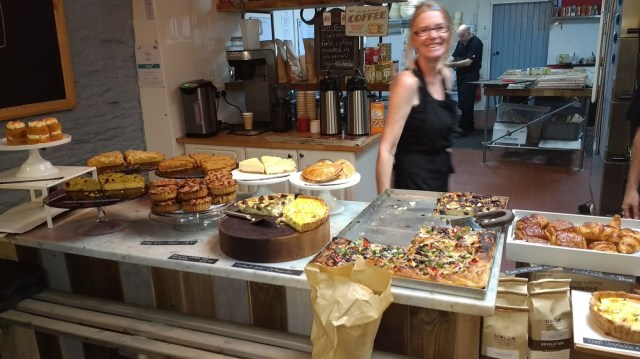
Thus presented, such a diet has no obvious appeal for an ectomorph; however, it is quite possible to adopt a 5-2 diet which ensures a generous calorie intake across the seven day cycle, such that when carbohydrate intake is low, the diet is still rich in high quality protein and fat, both good energy sources: so, on the low carb days, the diet could include plenty of fatty meat, oily fish, eggs and cheese, supplemented with a good selection of green vegetables, tomatoes, peppers and so on.
In this way possible benefits of the 5-2 diet may be available to the ectomorph, without fear that during the low carb phase they will be liable to lose weight.
But if the purpose is not to lose weight what interest can there be in following such a diet?
The Seasonal Cycle
A possible answer lies in the seasonal nature of plant sources of food and the way in which our metabolism has evolved to cope with this. The seasonal cycle varies, depending on latitude, but it is easy to imagine in all circumstances, swings in the availability of fruits, nuts and cereals. Animal sources of food, providing fat and protein, would, by contrast, be available with greater consistency across a typical year.
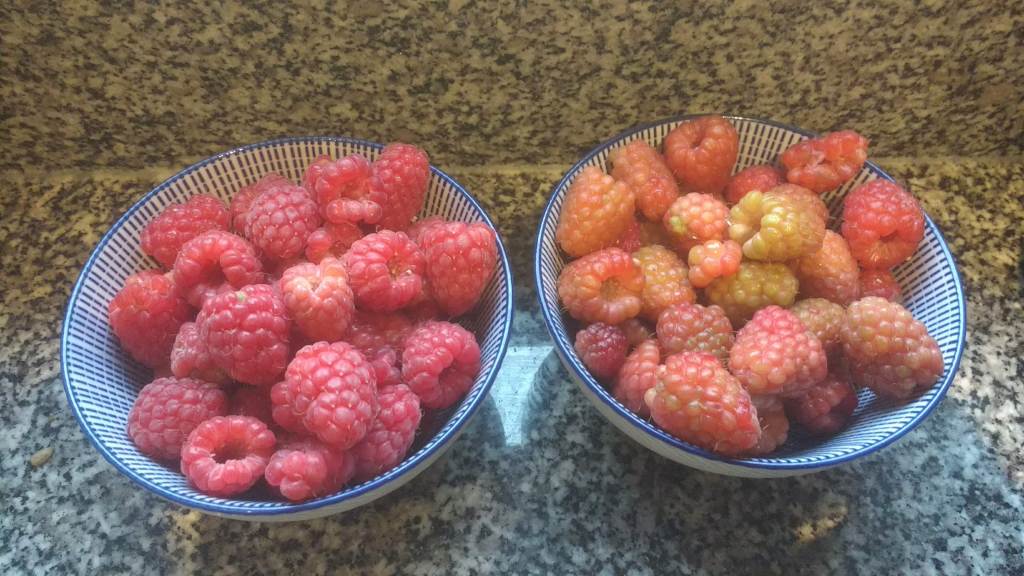
When there was a plentiful supply of fruit, nuts, and cereals, our ancestors would have consumed these freely. (In reality, cereal consumption will have been a marginal part of the diet before agriculture and the development of the technology to process grains into flour and bread, made these food sources dramatically more available.) Excess would have been stored as fat, such that, during the period when these foods were not available in plenty it was possible to survive by burning a mixture of stored fat in addition to extracting additional energy from fish and game, the availability of which would be less affected by the seasonal cycle.
The point of the proposed variation on the 5-2 diet is not to restrict intake, but rather to mimic variations in diet which are best suited to the metabolism evolution has provided us with.
It is in the balance of the gut microbiome, the trillions of organisms such as bacteria, yeasts, fungi & viruses that live in your digestive tract [7] that the impact of such dietary variation is most likely to be advantageous. There is a good deal of evidence to suggest that the microbiome at the very least benefits from a diverse diet and that neglect of the biome can in turn result in the development of a range of common chronic conditions such as irritable bowel syndrome and many other problems which are linked to chronic inflammation. [8] [9] [10]
The Microbiome and the Benefits of a Diverse Diet
This variation on the 5-2 diet is one I have recently been exploring, but at this stage have insufficient experience to draw any clear conclusions other than that I find it an interesting and satisfying way to eat and since adopting it have, perhaps, slept better and felt more energetic.
I am sure there are many others out there who have an interest in healthy eating, but for whom weight loss is not a priority.
Your thoughts and comments would be welcome.
Like, share or comment at this Facebook link!
Sources
3]In June 2019 Prince Charles became patron of the Faculty of Homeopathy, an alternative therapy which he has advocated over many years. Homeopathy was judged by Dr Brian Ingliss, in his book, Natural Medicine, published 1979, as having comparable efficacy to that of a placebo. By this measure, homeopathy is of little therapeutic value, but is otherwise, harmless, much like the Prince himself.
3.1] https://thenaturaldoctor.org/natural-health/alternative-medicine-and-the-prince-of-open-mind/
3.2] Book: Brian Inglis Natural Medicine
4] Guardian In Focus Podcast How did Britain get so overweight?
8] Book: The Gut Makeover Jeannette Hyde
9] Book: Tim Specto, The Diet Myth
10] Study:https://www.ncbi.nlm.nih.gov/pmc/articles/PMC5800875/
Acknowledgements

Thanks to Elaine for proof reading, advice and comment.
Featured Image


 Carruchan
